
Mission Space Lab
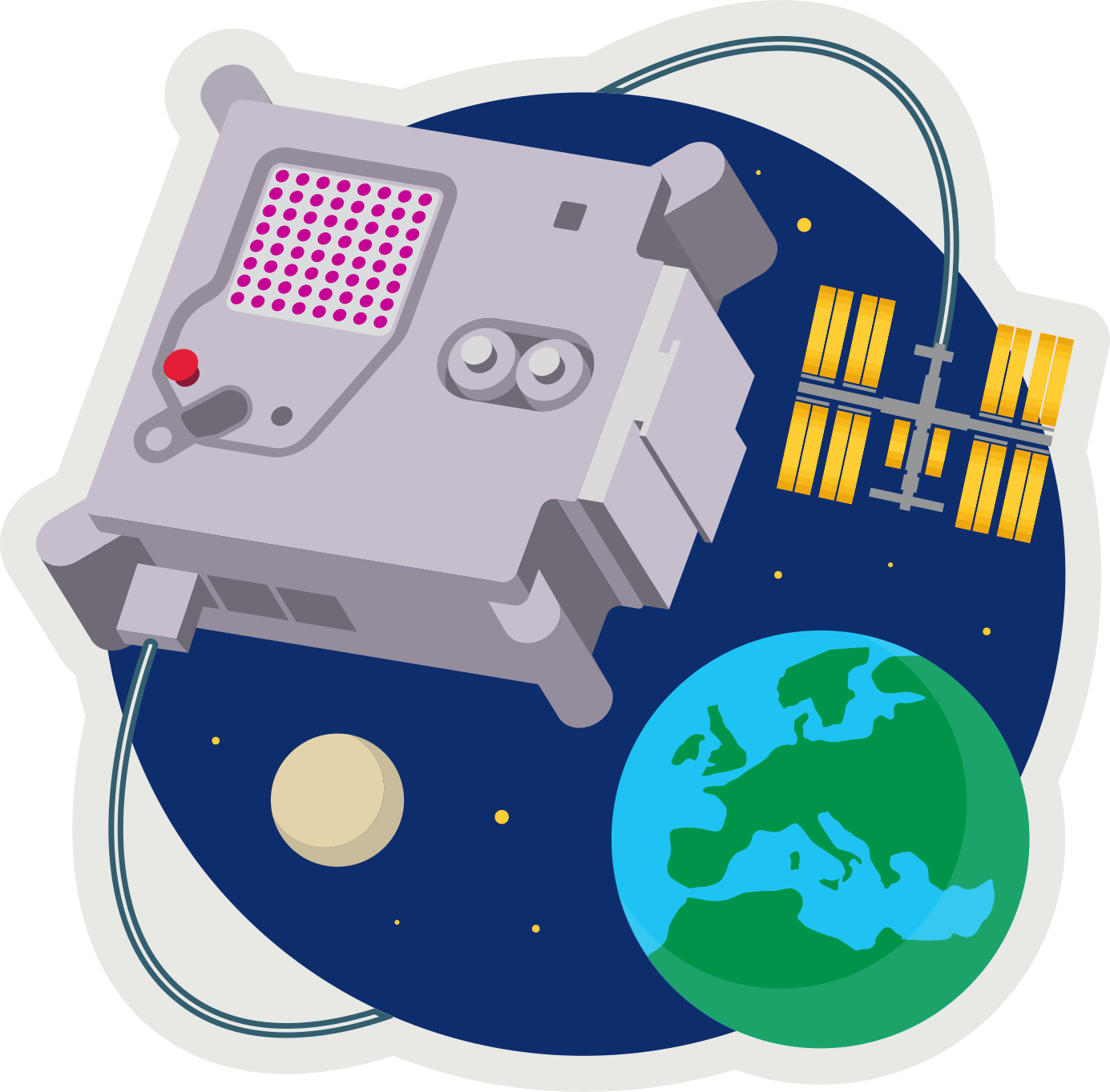
Mission Space Lab invites young people to run their own code on the International Space Station (ISS), giving them an unforgettable opportunity to conduct real science in space. Teams write a Python program that captures sensor data from Raspberry Pi computers on board the ISS to use in their very own space science projects.
Registration is open from Monday 14 September 2026 to Monday 22 February 2027, 12:00 CET.
- Age 19 and under
- Teams of 2-6
- Supervised by a mentor
 Age 19 and under
 Supervised by a mentor
How to take part
-

Check the eligibility criteria
-

Mentors: Register teams for Mission Space Lab
-

Teams write and test their programs
-

Mentors submit their teams’ programs by 12:00 CET on 22 February 2027
What is Mission Space Lab?
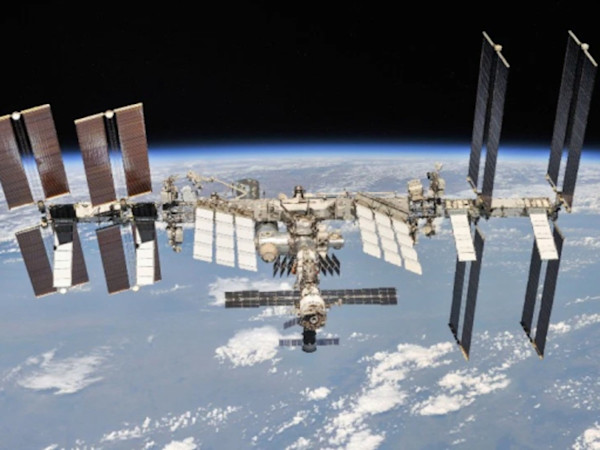
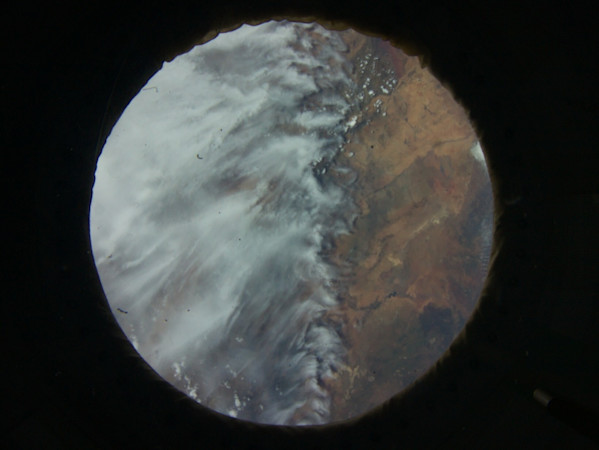
Working in teams, young people will write a program to collect data from the Astro Pi computer’s sensors or camera, logging the results to a file. By analysing atmospheric readings or capturing stunning images of Earth from 400km above, you can investigate everything from life on our planet to the mechanics of orbital space flight.
What will your team investigate? The choice is entirely yours! Teams can design an entirely original space science project or follow one of our ready-made project guides to get started.
Every eligible program is given a 10-minute slot on the ISS. Once the mission is complete, successful teams will receive official certificates showing the exact time and geo-coordinates when their code ran. They’ll also receive their very own data and image sets to download, keep, and analyse!
Who can take part?
Mission Space Lab is designed for young people who have some basic coding experience. We recommend this mission for young people aged between 12 and 19. They will use their knowledge to investigate real space science using a program they write themselves. Project guides are available to support teams in creating their program.
Please check the eligibility criteria for more information on which countries can participate.
Teams can use any macOS, Microsoft Windows, or Linux computer to write and test their Python program.
The team must test their programs online using the Astro Pi Replay Tool which works on Chrome, Safari, and Mozilla Firefox browsers.
Physical Astro Pi computers are not provided for this challenge and teams do not need a Raspberry Pi computer to take part. However, if you do have your own Raspberry Pi computer, your team can use it to write and test their program locally using the Astro Pi Replay plugin for Thonny.
Why take part?
Participating in Astro Pi Mission Space Lab empowers young people to learn about life on the ISS, discover how to gather and utilise data in space, and master the art of creating and troubleshooting a computer program. Best of all, teams have the thrilling opportunity to capture unique Earth observation images and space data to keep forever!
We asked some Mission Space Lab participants and mentors how they feel about the challenge and why it’s important to them.
“Thank you for organising this fantastic opportunity for my team. They are very excited to get the results, and I'm sure it's a huge milestone in their career-building journey.” Mentor, 2026
“Astro Pi helped me to be creative and think about ways to use the devices and resources on board the ISS. It was really fun and I learned a lot about the ISS itself. The Astro Pi challenge motivated me to continue coding lessons in school and someday make computer science a part of my life.” Alexandra, Team ISS Girls, age 16
“We had a great time working on Astro Pi. It strengthened our bonds of friendship as collaboration and teamwork are required to achieve this unique goal. We recommend Astro Pi to everybody who is interested in space to take part in this challenge. All difficulties you will encounter will finally turn into benefits as you are going to learn how to overcome them. Don’t be afraid to be part of such an adventure — take your chance to become a space scientist!” Team LAZOS22
"We want students to use their digital skills as superpowers to make the world a better place, and this challenge really aligns with that because regardless of your race, your ethnicity, your gender, you can write some code that actually runs in space. And if you can do that… you can solve the big problem[s] that the adults of the world are still grappling with, so it's opening up opportunities." Mentor, 2024
What can mentors do to help?
Register teams
You can register teams from 14 September 2026 until 22 February 2027. As a mentor, you will receive a unique team ID for every team you register, which you will need to submit your team’s finished programs.
Supporting your team in writing and testing their program
Teams write Python programs in their preferred integrated development environment (IDE) using the appropriate Python libraries. Our project guides help them to create their program and provide a basic working example that your teams can edit and customise.
To test their programs, your teams will upload them to the web-based Astro Pi Replay Tool. The tool simulates how their program will run using historical data from previous Astro Pi missions, providing a simulated output of real data and amazing images captured from space.
💡 Tip: We strongly advise your team to use sensors that capture the most dynamic data from the ISS, such as the camera, magnetometer, accelerometer, gyroscope, and luminosity sensors. Because the ISS is a strictly controlled laboratory environment, the temperature, humidity, and motion sensors will not vary much while their code is active.
Checklist for programs Each program needs to meet some key criteria so it can be safely run on the Astro Pis on board the ISS. You can find the program checklist here to make sure a team's program is ready to be submitted.
Submit teams' programs
Mentors submit a team's completed and tested program using the unique team ID.
If your team achieves flight status, we will send you their official certificate and the unique data set they captured from orbit. Plus, your teams will be invited to an exclusive, live virtual Q&A session with a human spaceflight expert from the European Space Agency!
Planning a Mission Space Lab program
The Mission Space Lab creator guide gives young people an introduction to lots of coding skills to create their Python program and get the output they need. It links to useful resources including step-by-step guides for calculating the speed of the ISS, analysing vegetation on Earth, and capturing image sequences.
The Mission Space Lab rulebook details the up-to-date rules, program requirements, and technical criteria necessary to achieve flight status on the ISS.
For mentors, the Mission Space Lab mentor guide provides you with everything you need to facilitate the missions and help your team solve any problems.
Mission timeline 2026/2027
-
Challenge launch
14 September 2026
Mentors register their teams; teams write and test their programs
-
Challenge end
22 February 2027 12:00 noon CET
Deadline for mentors to submit their teams' completed programs Astro Pi Mission Control tests and assesses each submitted program
-
Submissions are uploaded and run on the ISS
April to May 2027
Programs that successfully pass our rigorous testing are awarded official 'flight status' and are deployed to run in orbit on board the ISS
-
Certificates are sent to participants
May to June 2027
Teams receive their official certificates and the data and images their program has gathered while running on the ISS